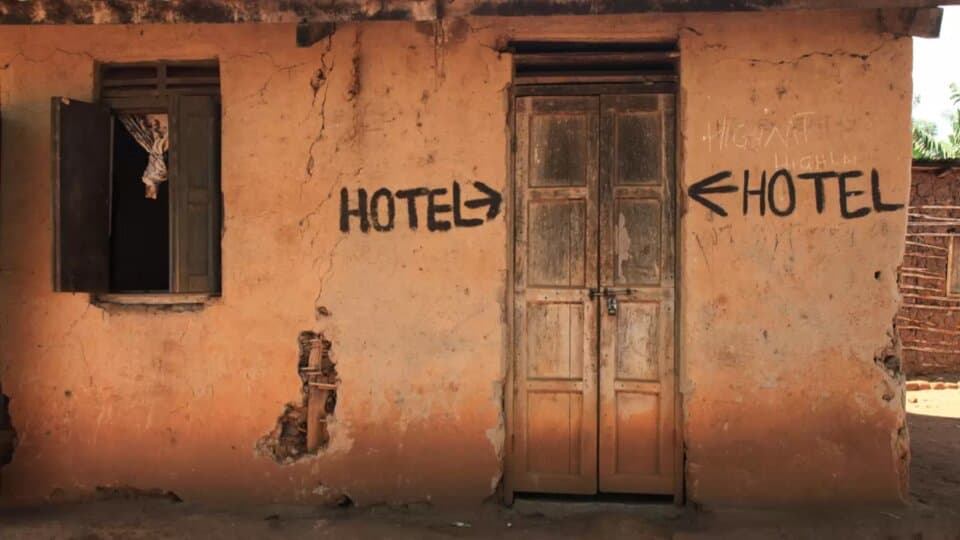
The hotel was loud. The service was mediocre. The mandatory “activity fees” felt like a fleecing. And yet the reviews were nothing but glowing. Needless to say, we’re not staying there again.
It wasn’t a bad hotel. It was the wrong hotel for us.
I handle all of our family travel planning. That means combing through booking sites, credit card rewards portals, travel blogs, and endless consumer reviews. Many of you know the drill: it takes hours, sometimes days, even weeks. And most of what I’m reading was written by people who want completely different things than I do.
I was tired of digging through the noise to find what fit. So I built the tool I wanted.
The internet has spent twenty-five years helping us find more. More reviews. More rankings. More lists. More opinions. Access isn’t the problem anymore. Judgment is. Nobody needs another thousand recommendations. They need someone they trust to say, “Consider these three. Skip the rest.”
Wayfound is the second product I’ve built with AI, and the one where I put this thesis to the test. AI can now identify your traveler type, weigh every option against what matters to you, search the web, and return only what fits, in about 20 seconds. Work that used to take me days. But speed isn’t the point. As AI makes answers endless and cheap, trust becomes the scarce currency. You don’t earn it by showing more. You earn it with judgment: fewer picks, clearly explained, that turn out to be right.
Most recommendation engines are built on averages: the highest-rated hotel, the most-reviewed restaurant, the trending destination.
But you aren’t an average.
Two people can stay in the same place and have completely different experiences. That isn’t because the place is good or bad. It’s because they each came looking for something different. So the real question isn’t “Is this place good?” It’s “Is this place right for me?”
Search engines index. Algorithms rank. Wayfound edits. It’s what I call a taste engine: it learns why a choice feels right for you, not just what you clicked. It shows you less, with more confidence, and tells you why each pick fits.
I'm starting with travel, where a bad recommendation can sting the most.
A getaway search in Sonoma surfaced the Kenwood Inn & Spa, a boutique hotel I’d never have found on my own. It wasn’t on the first page of any booking site, let alone in the top ten list. It fit on every dimension that matters to us: design that felt genuine and locally rooted, not staged and corporate; honest pricing with no surprise fees; and a calm, restorative atmosphere instead of a scene. The stay was exactly what was prescribed.
Ratings ask, “Was it good?” Wayfound asks, “Who is it good for?”
Wayfound is now open beyond our test group, and I’d love for you to be part of what comes next.
Go to gowayfound.com. The onboarding takes only a few minutes, and it’s about how you travel, not where. Search a real trip you’re planning, and see what it finds for you.
Then DM me. Tell me one pick that nailed it, and one that missed. Every answer makes Wayfound sharper for everyone.
Stop asking what’s highly rated. Start asking what’s right for you.